Official Launch of the 5-Year Strategic Plan (2025-2029)
Banteay Srei is delighted to unveil its Strategic Plan for 2025-2029, which will guide our efforts starting January 2025.
Learn More


Banteay Srei is delighted to unveil its Strategic Plan for 2025-2029, which will guide our efforts starting January 2025.
Learn More
We are a Cambodian Women’s Non-Governmental Organization dedicated to empowering vulnerable women by enhancing their political, economic, and psycho-social well-being. Through the implementation of community development projects, advocacy initiatives, and promoting men’s involvement in addressing women’s issues, we strive to create positive and lasting change in the lives of the women we serve.

A just Cambodian society in which women realize their full potential, are living with equality and dignity, and their rights are fully respected.

Banteay Srei is a Cambodian women’s non‐governmental organisation that empowers women and their families to enhance their political, economic, and psycho‐social well-being. We achieve this through mobilizing communities for sustainable development, advocating for gender justice, and promoting men’s engagement in advancing gender equality.

"Inclusive Actions for Gender Equality and Sustainable Livelihood"
Read entire article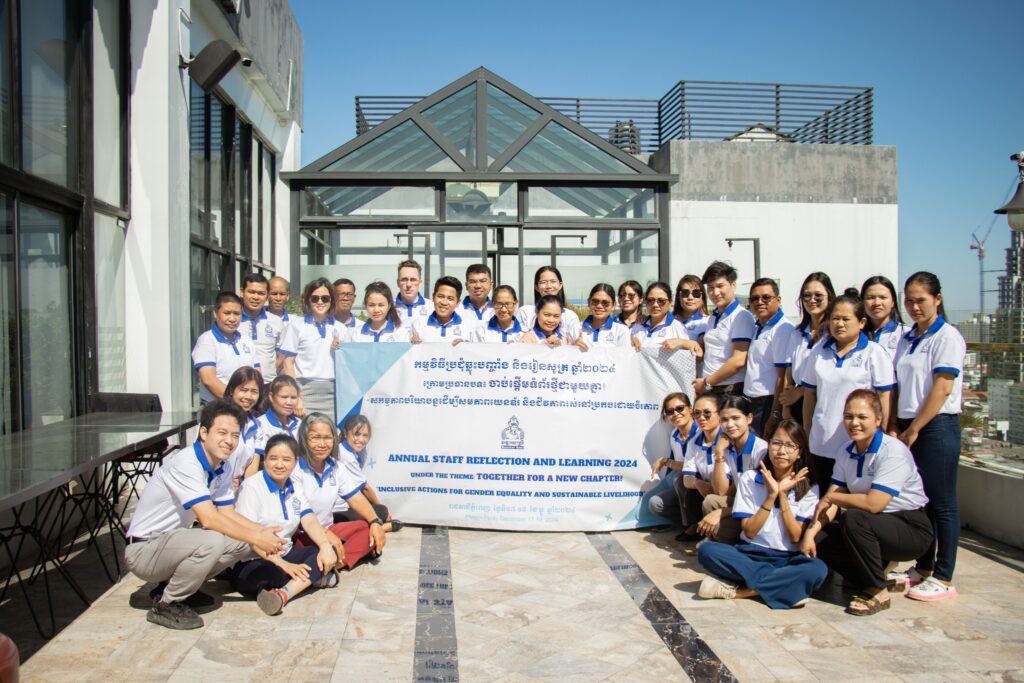
Banteay Srei is delighted to unveil its Strategic Plan for 2025-2029, which will guide our efforts starting January 2025. This comprehensive plan focuses
Read entire article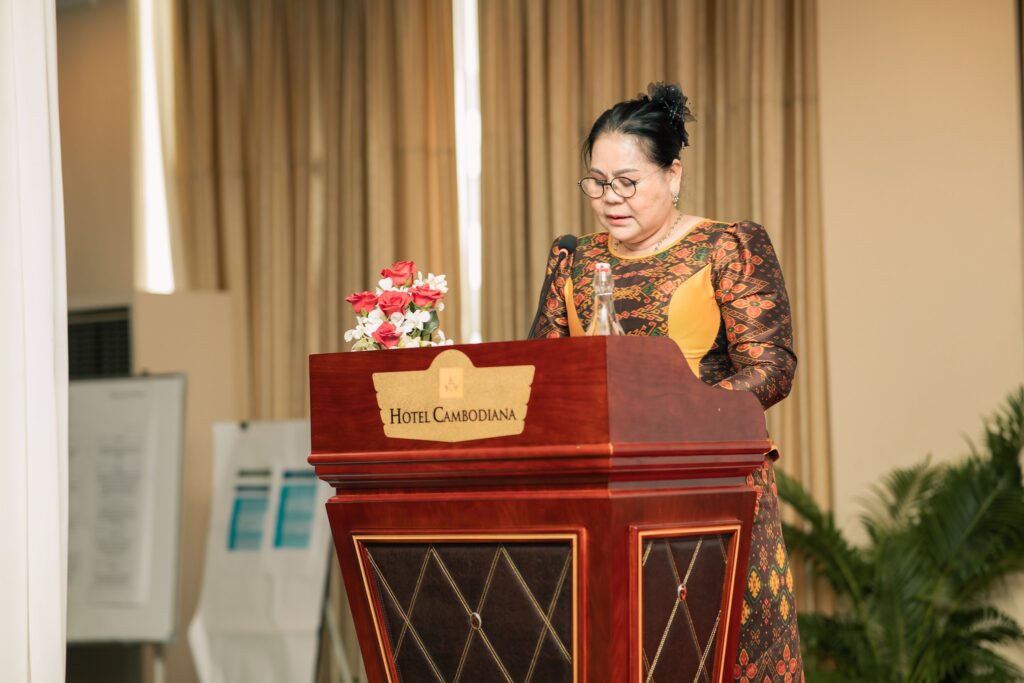
The Executive Director was honored to meet with the British Ambassador to Cambodia to discuss the opportunity to work together to promote gender equality in Cambodia.
Read entire article
Women’s leadership is strengthened that ensure inclusive decision making and advanced gender equality in policy development and implementation at all levels.
Vulnerable women and their families lived freely from violence through changing the social norms and enhancing their economic status in the Banteay Srei target communities.
Banteay Srei Organization developed its capacity to deliver better programs for gender equality and sustainable development of vulnerable women.

Program Manager

Executive Director

Monitoring and Evaluation Coordinator

Program Officer
Women’s empowerment can have a range of positive impacts on women’s lives, including improved economic opportunities, greater control over their own lives, increased political participation, and greater gender equality. However, women face significant barriers when it comes to accessing in income generation activities. This is due in part to cultural and social barriers that prevent women from participating in the workforce, as well as lack of access to education and training.
Banteay Srei’s mission is to challenge those norms and empower women to be actively involved in improving the economic situation, increasing women’s representation in leadership roles, and tackling gender-based violence in Cambodia. We extend special thanks to our funding partners and back donors for their support in making this program possible. Join together to amplify the voice of women toward gender equality and gender justice.
We highly value our partnerships with the following donors, who not only share our vision and provide us with financial assistance but also motivate and inspire us to achieve our objectives. We are deeply grateful for their ongoing support